Serving Boynton Beach, FL and surrounding areas. (561) 423-4851
Menu
You need a wall that handles South Florida's sandy soil, salt air, and hurricane winds - not a wall that leans in five years. We build to local code, pull the permits, and do the job right the first time.
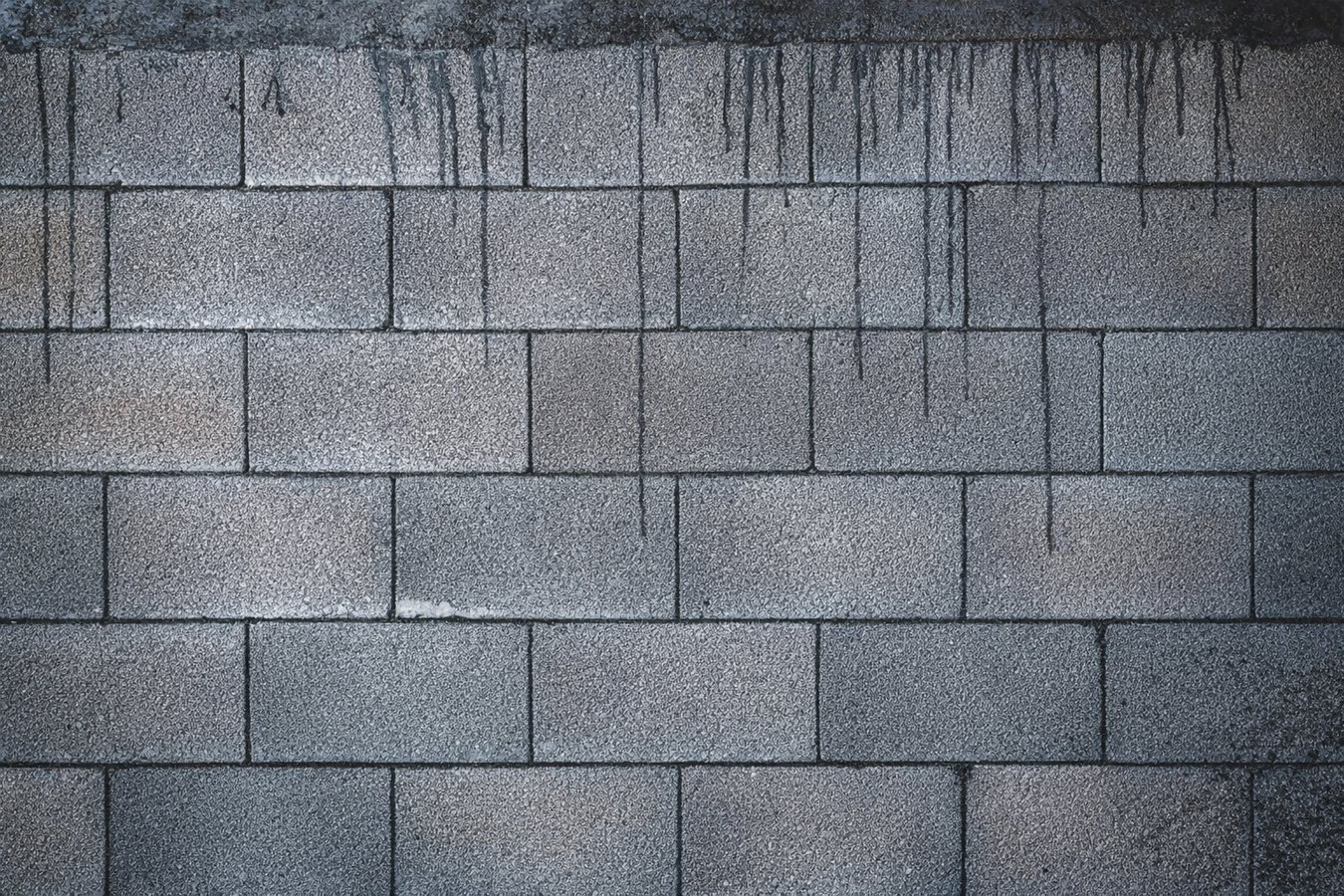
Concrete block walls in Boynton Beach are built from hollow or solid rectangular blocks stacked in rows and held together with mortar, with the hollow cores often filled with concrete and steel rods for hurricane-rated strength. A straightforward garden or privacy wall typically takes two to four days once materials are on site and the footing has cured.
Concrete block has been the go-to building material in South Florida for most of the past century, and for good reason - it handles heat, humidity, and storm pressure better than wood framing. If your home was built here, the exterior walls are almost certainly block already. Any new wall, addition, or repair should match that same system, and a contractor who works in Boynton Beach regularly will understand exactly what local soil, code, and HOA rules require.
For homeowners whose project involves structural support or grade changes, concrete block wall work often connects with foundation block wall installation and retaining wall construction - two related services we handle in the same area.
If you see thin cracks following the lines between blocks - especially stair-step cracks that zigzag diagonally - the wall has shifted or settled. In Boynton Beach's sandy soil, this kind of movement is not unusual, but it does not fix itself. Left alone, water gets into the cracks, the mortar continues to crumble, and eventually the wall becomes unstable.
Run your finger along the joint between two blocks. If the mortar feels soft, sandy, or comes away easily, it has broken down - likely from years of salt air, heat, and rain cycles that are especially harsh here on the coast. This is called joint erosion, and it means the wall is losing what holds it together. A mason can repoint the joints before the problem spreads.
A block wall that tilts even slightly when you look at it from the end has a structural problem. This can happen when the footing beneath it has shifted in soft soil, or when the wall was never properly reinforced. Do not wait on this one. A leaning wall is a falling wall, and in a neighborhood with kids, pets, or neighbors nearby, that is a real safety concern.
After a hurricane or tropical storm, walk your entire property line and look at every section of block wall. Even a wall that looks mostly intact may have blocks that are cracked through or mortar joints that have opened up from wind pressure. Catching this early - before the next rainy season - means a repair rather than a full rebuild.
New concrete block wall construction starts with the footing - a concrete base poured below grade that anchors the wall and keeps it from shifting in Boynton Beach's sandy coastal soil. Once the footing cures, we lay blocks course by course with properly mixed mortar, fill the hollow cores with concrete and steel rods as required by local code, and keep everything plumb and level as the wall rises. Depending on your wall's height and location, the city's building inspector will come out to check the work at a certain stage before it is covered or finished. We schedule that inspection and handle everything related to the permit process.
For existing walls that are structurally sound but showing mortar wear or surface damage, we offer repair and repointing without a full rebuild. We also handle finishing - stucco coat, masonry paint, or block cap - so the completed wall matches your home or community's style. For projects involving grade changes or hillside support, retaining wall construction addresses the additional engineering requirements, while foundation block wall installation handles structural below-grade applications.
Suits homeowners who need a wall for security, noise reduction, or a property boundary where nothing currently exists.
Ideal after a hurricane or tropical storm has cracked, shifted, or partially collapsed a section of existing block wall.
For walls that are structurally sound but showing joint erosion from years of salt air and rain cycles common on the coast.
Stucco coat, masonry paint, or decorative cap to match your home's exterior or satisfy HOA finish requirements.
Boynton Beach sits in Palm Beach County, which is designated a High-Velocity Hurricane Zone under Florida's statewide building code. That means any new concrete block wall above a certain height must include steel reinforcement and filled cores - not as an option, but as a requirement. The sandy coastal soil here also means footings need to go deeper than they would in a city built on clay or rock, because sand shifts under load. A contractor who does not account for both of these realities is setting you up for a wall that cracks or leans within a few years. The National Concrete Masonry Association and the Florida Building Commission both publish the standards we build to.
Salt air from the Atlantic also breaks down mortar joints and surface coatings faster than in inland cities, which is why material selection and finishing matter even after the wall is built. A large share of Boynton Beach's residential neighborhoods are HOA-governed, and most associations have rules about wall height, setback from the property line, and even finish color - all of which affect the project scope before a single block is laid. We work throughout Boynton Beach and neighboring communities, including West Palm Beach and Delray Beach, where the same code requirements and coastal conditions apply.
We respond within 1 business day. A good contractor needs to see the site in person before giving you a price - they will look at the ground, measure the area, check for any existing walls or utilities, and ask what you are trying to accomplish. This visit is free and usually takes 30 to 60 minutes.
After the visit, you receive a written estimate that breaks down labor, materials, and any permit fees. In Boynton Beach, your contractor should be the one pulling the permit from the city's Building Division - if they suggest skipping it, that is a red flag. Ask when the permit is expected to be approved, since that affects when work can start.
The first day of work typically involves digging the trench for the footing and pouring concrete into it. This underground base has to cure - usually at least 24 hours - before block-laying begins. You will not see much above ground yet, but this step is the most important one for the wall's long-term stability in sandy coastal soil.
Once the footing is ready, the crew lays blocks course by course, filling cores with concrete and steel rods as required. At a set point, the city inspector checks the work before it is covered or finished - your contractor schedules this. After the inspection passes, finishing work like stucco, paint, or capping is completed and the site is cleaned up.
Free written estimate. We handle the City of Boynton Beach permit process from application to final inspection.
(561) 423-4851Palm Beach County is a High-Velocity Hurricane Zone, and every wall we build includes the steel reinforcement and filled cores that the code requires. This is not an upgrade - it is how we build every wall, because it is what this area demands and what keeps your property safe.
The sandy soil in Boynton Beach does not hold weight the way clay or rocky soil does. We assess each site's soil conditions and dig the footing to a depth that reaches stable, load-bearing ground. This step is what separates a wall that lasts 50 years from one that cracks and shifts in five.
The City of Boynton Beach requires a building permit and at least one inspection for new masonry walls. We handle the application, coordinate with the building department, and schedule the inspection. You keep a copy of the permit and inspection record for your home files - which you will want if you ever sell.
A large share of Boynton Beach neighborhoods have HOA rules about wall height, setback, and finish. We know the style expectations in communities across the area and build to match - from stucco-finished walls in established neighborhoods to smooth-cap designs in newer developments.
Every one of these details - hurricane reinforcement, deep footings, permit management, and HOA awareness - affects whether your wall is still standing and looking good a decade from now. We bring all of them to every concrete block wall project in Boynton Beach.
Structural block wall work for below-grade and foundation applications where load-bearing requirements go beyond a standard perimeter wall.
Learn MoreBlock walls engineered to hold back soil on sloped lots or raised planting areas, with drainage and reinforcement designed for South Florida conditions.
Learn MoreStorm season starts June 1 - if your wall needs repair or you are ready to build, call now to get on the schedule before the busy season hits.