Serving Boynton Beach, FL and surrounding areas. (561) 423-4851
Menu
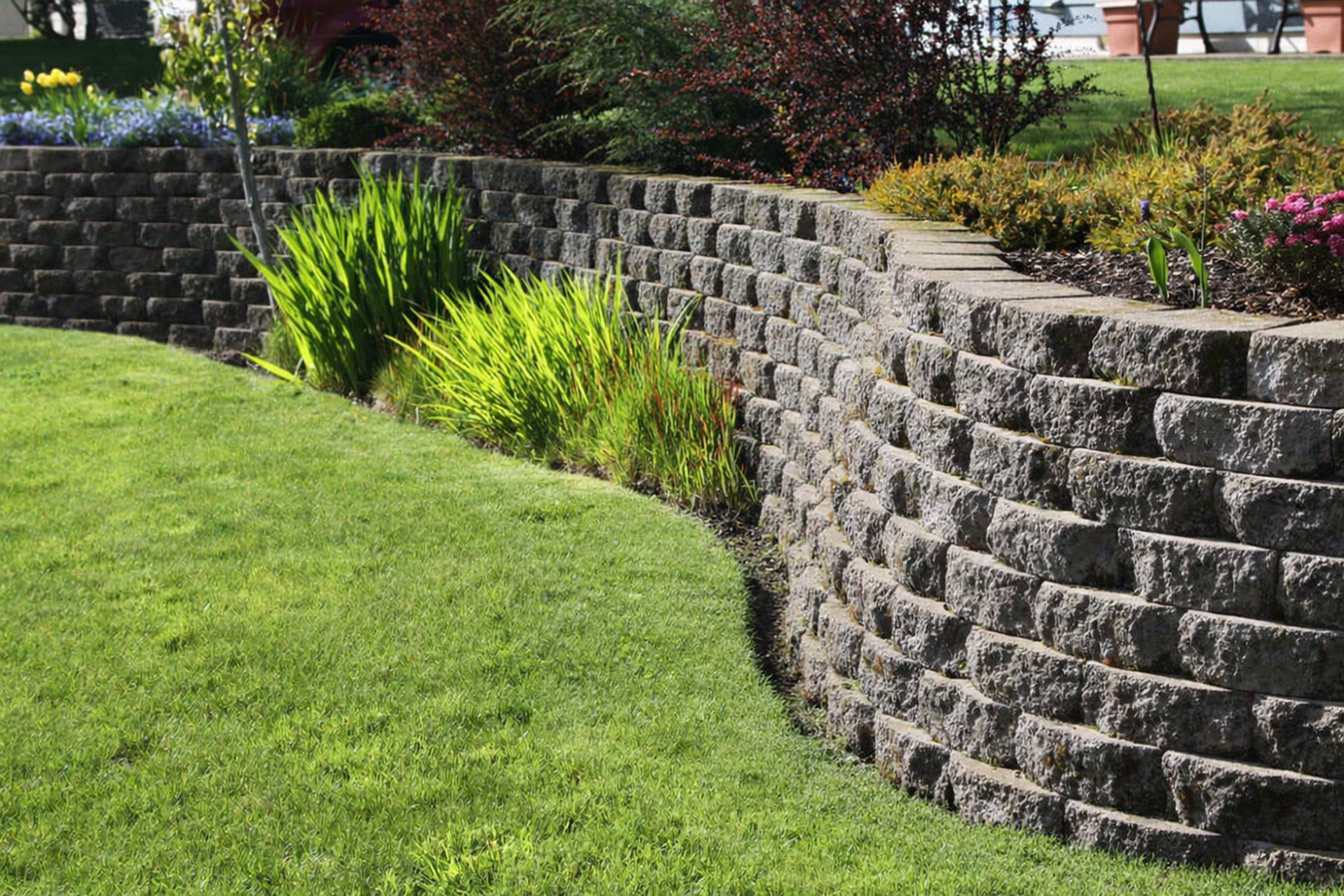
South Florida rain moves soil fast. We build retaining walls with proper drainage so your yard stays in place and water moves away from your home, not toward your foundation.
Retaining wall construction in Boynton Beach, FL holds back soil on a slope or raised area so it does not wash downhill during a rainstorm. A properly built wall includes a deep compacted base, gravel drainage behind the blocks, and sometimes a perforated pipe - the parts you never see but that determine whether the wall is still standing ten years from now.
Most residential jobs - a garden terrace, a driveway edge, or a sloped side yard - take two to five days from excavation to cleanup. The permit process, which is required for taller walls in Boynton Beach, adds one to three weeks before work starts but also means a city inspector signs off on the finished wall.
Homeowners who are managing erosion along a driveway often pair retaining wall work with masonry restoration to repair any existing block or stone features that have been damaged by the same water movement the new wall is designed to stop.
If you notice bare patches, exposed roots, or a trail of dirt washing across your driveway or lawn after a summer storm, your soil is eroding. In Boynton Beach, where heavy afternoon rain is a regular summer event, this kind of erosion can strip a yard surprisingly fast. A retaining wall stops that process by holding the soil in place where it belongs.
If an older wall is starting to tilt forward, develop cracks along the face, or show a visible bulge in the middle, it is telling you the pressure behind it has become more than it can handle. This is common in Boynton Beach's older neighborhoods where walls built decades ago may not have included adequate drainage for current rainfall patterns. A leaning wall gets worse on its own - it does not self-correct.
When the ground around your home slopes toward the structure rather than away from it, rainwater collects against your foundation. Over time that standing water works its way into your slab or footings. A retaining wall combined with regrading can redirect that water away from your home before it causes expensive structural damage.
If part of your yard is too steep to mow safely, too unstable to plant in, or simply wasted because nothing stays put on the incline, a retaining wall can turn that slope into usable terraced space. Many Boynton Beach homeowners use this approach to create flat planting beds, seating areas, or level lawn space in yards that were otherwise inaccessible.
We build retaining walls in concrete block, poured concrete, and natural stone - each suited to different budgets, aesthetic preferences, and structural requirements. Every wall starts with a proper footing excavated below the surface and a compacted gravel base. Drainage material - gravel backfill and, where needed, a perforated drain pipe - is installed behind the wall before any soil goes back in. In Boynton Beach's wet climate, skipping this step is the single most common reason walls fail within a few years of being built.
For homeowners whose erosion problem is connected to a broader landscape plan, we work alongside masonry restoration when existing block or stone features also need attention. And when the wall project requires a structural base that carries additional load, our concrete block wall work covers walls that need to meet the higher engineering standards the city requires for permitted construction.
Suits most residential applications - durable, cost-effective, and designed to handle South Florida's wet-dry soil cycles.
Ideal for homeowners who want the wall to serve as a landscape feature, not just a functional structure.
Best suited for taller walls or situations where maximum strength is required, such as holding back a raised driveway edge.
For homeowners whose current wall is leaning, cracking, or failing and needs to be properly rebuilt with drainage included this time.
Boynton Beach sits on loose sandy soil that does not grip a wall's base the way dense clay soil does in other parts of the country. This means foundations need to be dug deeper, compacted more aggressively, and backed with more gravel than you would typically see in a drier climate. On top of that, South Florida's rainy season from June through October brings intense afternoon downpours that put sustained water pressure on any wall that was built without proper drainage. A wall that handles a dry month without issue can fail quickly once rainy season arrives and water starts building up behind it.
Boynton Beach is also in a hurricane-prone zone, and retaining walls here face not just heavy rain but occasional tropical storm surge and wind-driven water. That is a different level of stress than most other markets, and it is why material quality and drainage design matter more here than in most of the country. We serve homeowners throughout Boynton Beach and nearby communities, including Greenacres and West Palm Beach, where the same coastal soil conditions and permit requirements apply. The National Concrete Masonry Association sets the design standards we reference for every concrete block wall project.
We respond within 1 business day. A mason visits your property, walks the area, and asks what you are trying to solve. This visit usually takes 30 to 60 minutes and costs you nothing - a good contractor will not give you a number over the phone without seeing the site first.
You receive a written estimate that breaks down materials, labor, and permit fees. If your wall requires a city permit - common for taller walls in Boynton Beach - your contractor handles the application. Expect permit approval to add one to three weeks before work can begin.
The first day of work is the loudest and most involved. The crew digs out the area, removes old material if there is an existing wall, and prepares the compacted base. In Boynton Beach's sandy soil this step requires extra care - it determines how stable the finished wall will be.
The wall goes up layer by layer while drainage material is installed behind it. Before final payment, walk the wall with your contractor and confirm everything looks straight, level, and solid. If a permit was pulled, the city inspector's sign-off is the official quality check.
Free site visit and written estimate. No obligation. We respond within 1 business day.
(561) 423-4851Water is the number one reason retaining walls fail in South Florida. We install gravel backfill and, where required, a perforated drain pipe behind every wall so water has somewhere to go instead of building pressure against the face.
Boynton Beach's coastal soil does not grip a wall base the way denser soils do in other climates. We account for that with deeper excavation and multi-stage compaction so the wall does not shift or lean within the first few rainy seasons.
Many Boynton Beach communities require pre-approval before any wall construction begins, with specific rules about height and materials. We check your community's requirements before the estimate so the finished wall meets both city code and HOA standards.
For walls that require a city permit, we handle the application and coordinate the inspection. A permit means a licensed city inspector confirms the wall was built correctly - that record also protects you when you sell your home. The Florida Department of Environmental Protection sets stormwater standards that inform how we design drainage for every project.
A retaining wall that fails costs far more to fix the second time than it would have cost to build correctly the first time. Every wall we build is engineered for Boynton Beach's specific soil, rainfall, and permit requirements - not as an afterthought, but from the first shovel of excavation.
Repair existing block and stone features on your property that have been damaged by the same water and erosion your new wall is built to stop.
Learn MoreFor walls that need to meet permitted structural standards in Boynton Beach, concrete block construction handles the engineering requirements.
Learn MoreRetaining wall projects book fast in spring - reach out now so we can schedule your site visit and get your estimate in hand before the summer storms start.