Serving Boynton Beach, FL and surrounding areas. (561) 423-4851
Menu
Crumbling mortar lets salt air and storm rain into your walls. We remove the old material, pack in fresh mortar, and leave your masonry solid before hurricane season arrives.
Tuckpointing in Boynton Beach, FL means removing old, crumbling mortar from the joints between bricks or concrete blocks and replacing it with fresh, properly mixed mortar. Most residential jobs - a chimney, a garden wall, a decorative planter - take one to two days and restore the waterproofing and strength the original mortar once provided.
Mortar is softer than brick by design. It absorbs moisture and movement so your bricks do not crack. But that same softness means it wears out first, especially in Boynton Beach where the subtropical heat, constant humidity, and salt air from the Atlantic work on it year-round. Once joints start to crumble, water finds its way in, and the damage spreads fast during a South Florida storm.
If you have noticed white streaks or staining on your masonry, that is often the first sign mortar is failing. It is also worth checking whether brick repair is needed alongside tuckpointing - once water gets through failing mortar, the bricks themselves can crack and spall.
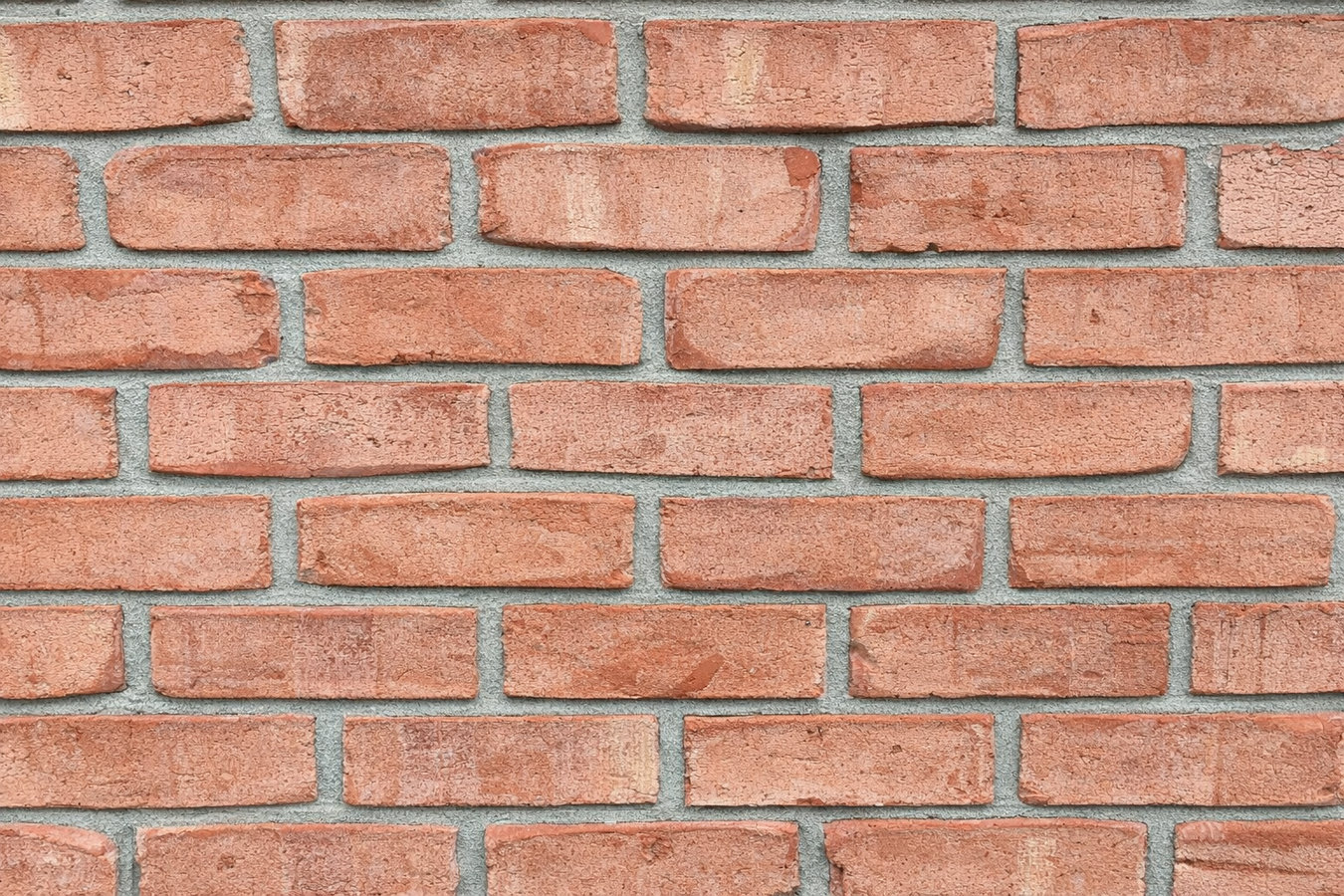
Stand a few feet back from a masonry wall, chimney, or planter and look at the lines between the blocks or bricks. If those lines look sunken, sandy, or pulling away from the edges, the mortar is failing. Run your finger along a joint - if it crumbles or leaves a powdery residue, it is time to call a mason.
White, chalky streaks running down a brick or block wall are a sign that water is getting in through failing mortar and carrying dissolved salts to the surface. This is especially common on Boynton Beach homes near the coast, where salt air accelerates the process. It is a reliable early warning that mortar is breaking down underneath.
If you notice damp spots on interior walls or moisture inside a screen enclosure after a storm, failing mortar joints are a likely entry point. South Florida's intense summer rain events push water into even small gaps. Do not wait for visible mold or interior damage before investigating.
Decorative block planters, chimney caps, and ornamental masonry are often the first places mortar fails because they are exposed to sun and rain from all sides. If you see gaps opening up between blocks, or a section feels loose when you press on it, the mortar holding it together has likely given out.
Every tuckpointing job starts with the same critical step - removing the old mortar to a proper depth before anything new goes in. We use a grinder or chisel to clear deteriorated material to at least three-quarters of an inch, vacuum or brush the joint clean, then pack fresh mortar by hand. We shape and smooth each joint to match the original profile on your wall so the finished repair looks intentional, not patched.
For walls and chimneys where individual bricks have cracked or are starting to spall, we coordinate brick repair alongside the mortar work so everything is addressed in one visit. And for projects where the finish matters for curb appeal or HOA requirements, our brick pointing work handles the final shaping and color matching that makes a repaired wall look like new construction.
Suits chimneys, garden walls, and exterior block walls where joints are visibly crumbling or sunken.
Ideal for homeowners who have noticed white streaks, loose cap blocks, or mortar falling from their chimney.
Matches mortar color and profile on planters, columns, and entry features where appearance matters.
For homeowners who want an inspection and same-visit mortar repair before hurricane season opens in June.
Boynton Beach sits roughly two miles from the Atlantic Ocean, and salt-laden air drifts inland year-round. That salt works its way into even small cracks in mortar, expands as it crystallizes, and gradually pushes the material apart from the inside - a process called salt crystallization damage. Combined with temperatures that regularly top 90 degrees and humidity that stays high for most of the year, mortar in Boynton Beach breaks down faster than in cooler, drier climates. Homeowners in the older CBS neighborhoods built between the 1960s and 1990s should plan to inspect their masonry every few years, not assume it will last as long as homes in the northeast.
Hurricane season, which runs from June through November, creates a hard deadline for this kind of work. Damaged mortar joints make masonry walls and chimneys significantly more vulnerable to wind-driven rain. We serve homeowners throughout Boynton Beach and the surrounding area, including Delray Beach and Boca Raton, where the same coastal conditions put the same stress on masonry. Spring appointments fill fast - if you have noticed any signs of mortar deterioration, calling before May gives you the best shot at scheduling before contractors are fully booked.
We respond within 1 business day. Expect a few quick questions - what structure needs work, roughly how large the area is, and whether you have noticed any water intrusion. No obligation to commit to anything on that first call.
A mason walks the area with you, looks closely at the joints, checks for water damage, and tells you honestly whether tuckpointing will solve the problem or whether something more is needed. The visit takes 20 to 45 minutes.
You receive a clear, written estimate covering scope, materials, and total cost. Ask us to confirm that old mortar will be removed to a proper depth before new mortar is applied - that is the single most important quality indicator in any tuckpointing quote.
Depending on the job size, work takes one or two days. The grinding phase is the noisiest part. Before leaving, we walk you through the finished result and explain the curing period - typically 24 to 48 hours before the mortar can get wet.
We respond within 1 business day. There is no obligation after your free estimate - just a clear, written quote of what we found and what the repair involves. Spring appointments fill up fast in Boynton Beach, so reaching out early gets you ahead of the hurricane season rush.
(561) 423-4851We use mortar formulated for coastal subtropical climates - not a generic mix that performs differently in a dry inland environment. That matters in Boynton Beach, where salt air and year-round humidity demand a material that stays flexible and water-resistant through hundreds of heat cycles.
We grind or chisel out deteriorated mortar to a proper depth before packing in new material. That step is what separates a repair that lasts 20 years from one that fails in two. We will tell you exactly how deep we plan to remove the old mortar before work begins - and stick to it.
Mortar that stands out like a bright patch defeats the purpose of the repair. We test a sample area first, let it cure, and show you the color match before committing to the full job. Perfect matching is not always possible on older masonry, but we get as close as the material allows.
Florida requires masonry contractors to pass exams and carry insurance before legally working on your home. You can verify license status in minutes at the Florida DBPR lookup tool. We carry general liability insurance and workers' compensation - documentation available on request.
These are not promises we make up - they are the baseline for doing this work right in a coastal South Florida climate. We back them with a Mason Contractors Association of America-aligned approach to every job, and we stand behind the work after the crew leaves.
Replace cracked or spalling bricks and restore the strength of damaged masonry features throughout your property.
Learn MoreFinish and shape mortar joints on decorative brickwork so repairs blend cleanly with the surrounding surface.
Learn MoreSpring appointments in Boynton Beach fill fast - lock in your date now and have your masonry solid before the storms arrive in June.